
The November 2026 FAA Ground Stop: What Happened, What to Do When Flights Stop, and How Travel Insurance Helps
On November 13, 2026, the FAA stopped departures nationwide for more than four hours, canceling thousands of flights. Here’s what happened, why officials say it happened, how to work with your airline when flights stop, and which kinds of travel insurance help.
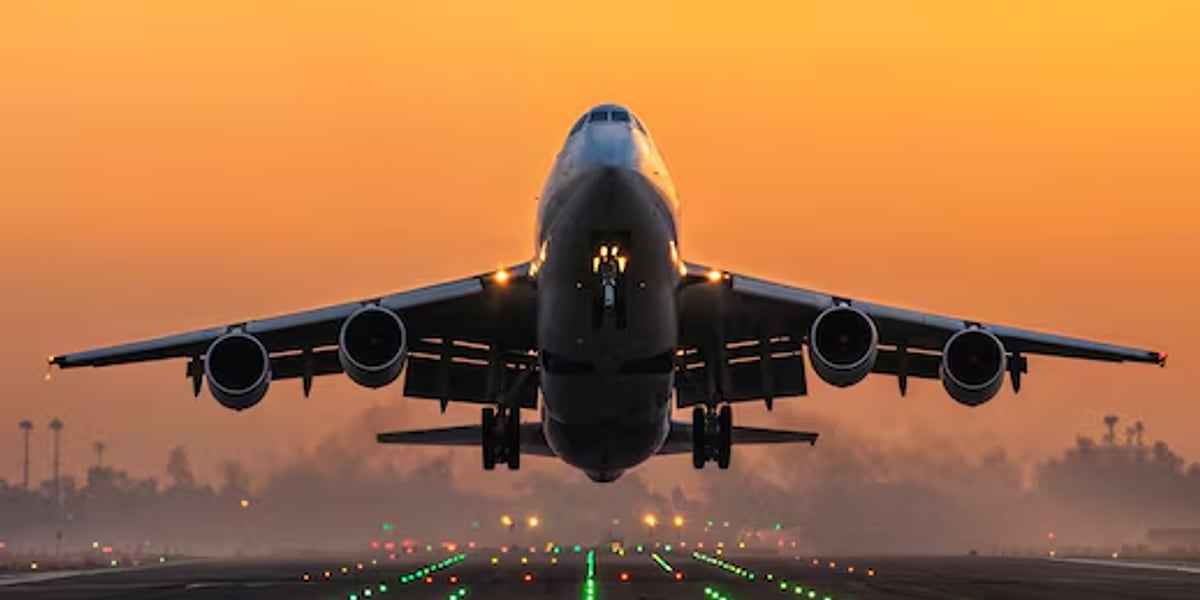
On the afternoon of Friday, November 13, 2026, travelers across the country watched departure boards turn red. The Federal Aviation Administration had stopped every departing flight in the United States. Several of the families we work with were caught in it, some at the gate and some mid-connection, and it’s a good reminder of why we plan the way we do.
Here’s what happened, what officials say caused it, how to work with your airline when flights stop, and how the right travel insurance turns a stressful night into a manageable one.
What happened on November 13
- At 3:54 p.m. Eastern, the FAA issued a nationwide ground stop, first at Chicago’s O’Hare and Midway airports and then across the country, citing safety. Flights already in the air were allowed to land.
- Airspace reopened at 8:15 p.m. Eastern, after 4 hours and 21 minutes. It was the longest ground stop in 25 years and only the third nationwide ground stop in U.S. history, after September 11, 2001, and the January 2023 FAA system outage.
- Thousands of flights were canceled that night (by some counts nearly 8,000) and more than 10,000 were delayed. Hundreds were diverted to other airports, and more than 2,500 more flights were canceled on Saturday as airlines worked to recover.
- The disruption reached overseas: U.S.-bound flights from Europe were held for several hours, and Mexico asked U.S.-bound planes to stay on the ground. Flights within Alaska and Hawaii were allowed to continue.
Why did it happen?
The FAA blamed a telecommunications outage affecting several of its Air Route Traffic Control Centers, the facilities that guide planes between airports. Transportation Secretary Sean Duffy said switches and routers became overloaded with data and began giving inconsistent information. Officials said new equipment being added to the air traffic control system appeared to have overwhelmed older parts of it, causing intermittent gaps in communications and radar.
Homeland Security Secretary Markwayne Mullin said there was no evidence of a cyberattack. The FAA also said a new AI traffic-management tool rolled out days earlier was not the cause. Officials have asked Congress for $50 billion to modernize the air traffic control system, and the investigation is still underway, so the explanation may be updated.
The details here are current as of November 14, 2026. The official cause may be revised as the FAA’s investigation continues.
Why the effects lasted for days
A ground stop doesn’t end when the airspace reopens. Planes and crews end up in the wrong cities, pilots and flight attendants reach their legal duty limits, and every canceled flight’s passengers need seats on flights that were already full. That’s why cancellations continued the next day, and why recovery from a disruption like this can take two or three days.
This is exactly why we build in extra time before cruises and big trips. A family flying in two days before a cruise had a stressful evening on November 13. A family flying in the morning of embarkation could have missed the ship.
What to do when your flight is delayed or canceled
- Rebook immediately, in more than one way. Open the airline’s app while you get in line at the counter, and call the airline at the same time. The app is usually fastest; seats disappear quickly.
- Don’t cancel the flight yourself. If the airline cancels, you’re entitled to a refund if you choose not to travel. If you cancel first, you may only get a credit, or nothing.
- Look for a travel waiver. After big disruptions, airlines usually waive change fees and fare differences for affected dates and airports. That can let you move to another day or a nearby airport for free.
- Ask about other routes and airports. A connection through a different hub, or a nearby airport, can get you home sooner.
- Keep every receipt for meals, hotels, ground transportation and anything else you have to buy, and take screenshots of delay and cancellation notices. Travel insurance claims need them.
- Check your credit card benefits. Some travel credit cards include trip delay coverage when you paid for the flight with the card.
- Call us. If we booked your trip, we’ll work on alternatives, let your cruise line, hotel or tour know, and help you sort out what insurance can cover.
What airlines owe you, and what they don’t
- Refunds: under U.S. Department of Transportation rules, if your flight is canceled or significantly changed (a delay of 3 hours or more on a domestic flight, or 6 hours or more internationally) and you choose not to travel or accept a credit, the airline must refund your fare automatically, including for the unused portion of your ticket.
- Rebooking: airlines will rebook you on their own flights at no cost, though during a big disruption the next open seat may be days away.
- Meals and hotels: airlines generally commit to meal vouchers and hotel rooms only when the delay or cancellation is their fault, like a mechanical problem or crew issue. An air traffic control outage is outside the airline’s control, so on November 13 many travelers were on their own for hotels and meals.
- International trips: rules in other countries, like the European Union’s, may give extra rights on some flights. Ask us and we’ll check what applies.
This is general information. Airline policies and government rules change, so check your airline’s customer service plan and the Department of Transportation’s current rules.
The kinds of travel insurance, and what each covers
This is where travel insurance earns its keep. When the airline isn’t responsible, a good policy can still pay for the hotel, the meals, and the parts of your trip you miss. These are the main types of coverage:
- Travel delay: reimbursement for meals, hotels and other reasonable expenses when a covered delay lasts a minimum number of hours (often 6). This is the coverage that matters most in a ground stop.
- Trip interruption: if a covered reason cuts your trip short or makes you miss part of it, it can reimburse the unused, prepaid parts of your trip and the extra cost to catch up or get home, like a flight to meet your cruise at its next port.
- Trip cancellation: reimburses prepaid, non-refundable costs if you have to cancel before you leave for a covered reason, such as illness, injury or a death in the family.
- Missed connection: helps when a covered delay makes you miss a cruise departure or a tour start, paying to catch up.
- Baggage delay and baggage loss: pays for essentials while your bags catch up, and for belongings that are lost or damaged.
- Emergency medical and medical transportation: covers care while you travel, which many U.S. health plans and Original Medicare cover little or not at all abroad, plus emergency evacuation.
- Cancel For Any Reason (CFAR): an optional upgrade on some plans that refunds part of your cost (often 50 to 75 percent) even for reasons a standard policy won’t cover. It usually must be bought soon after your first deposit.
- Single-trip vs. annual plans: a single-trip plan covers one trip. An annual (multi-trip) plan covers every trip you take in a year, which is usually a better value for families who travel two or more times a year.
What travel insurance usually doesn’t cover
- Known events. Once a ground stop, storm or strike is in the news, a policy bought afterward won’t cover it. Buy insurance when you make your first deposit.
- Delays shorter than the policy’s waiting period, often 6 hours or more.
- Changing your mind or simply not wanting to go, unless you bought Cancel For Any Reason coverage.
- Expenses you can’t document. No receipts, no reimbursement.
- Costs the airline already paid or refunded.
- Pre-existing medical conditions, unless your plan includes a waiver, which often requires buying soon after your first deposit.
Every policy defines its own covered reasons, waiting periods and limits. Read the plan documents, or let us help: we’ll walk you through your options and help you get the coverage that fits your trip.
Why we recommend Allianz annual plans for families
For families who travel more than once a year, we recommend an annual plan from Allianz Travel Insurance, and especially AllTrips Premier, which Allianz calls its best annual plan for families. Here’s why:
- One plan for the whole household. AllTrips Premier can cover your entire household all year, whether you travel together or separately, so you’re never scrambling to insure a last-minute trip.
- Travel delay coverage for nights like November 13. AllTrips Premier pays up to $1,500 per insured person per trip ($300 a day) for meals, hotels and other covered expenses when a covered delay lasts 6 hours or more.
- Trip cancellation and interruption coverage, with limits you choose for the year, plus emergency medical coverage on every trip.
- 24-hour assistance and concierge. Allianz’s multilingual assistance team is available around the clock to help with travel emergencies, and the concierge helps with reservations, tickets and arrangements. When flights stop, having someone to call who can help you work through your options is worth a lot.
- Coverage that’s already in place. Because an annual plan starts before you know about a disruption, you don’t have to remember to buy a policy for each trip, and you can’t miss the window.
We can help you get the right travel insurance for your needs. We’ll compare plans with you, confirm the current coverage, and get your policy in place when you book. Benefits, limits and prices vary by plan and by state, and Allianz updates its plans from time to time. This article is general information, not advice about a specific policy.
Your disruption-ready checklist
- Buy travel insurance when you put down your first deposit, or keep an annual plan in place. We can help you choose and get the right one.
- Save your insurer’s 24-hour assistance number and your airline’s app on every traveler’s phone.
- Fly in at least a day before a cruise, and two days before an overseas cruise or tour.
- Pack medications, chargers and a change of clothes in your carry-on.
- Keep a list of your bookings (flights, hotels, cruise, transfers) in one place, and share it with us.
- When something goes wrong, rebook first, document everything, then call us.
Quick answers
What caused the November 2026 FAA ground stop?
The FAA blamed a telecommunications outage at several air traffic control centers. Officials said new equipment overloaded older parts of the system and that there was no evidence of a cyberattack. The investigation is ongoing.
Do airlines pay for hotels when the FAA stops flights?
Usually not. Airlines generally provide meals and hotels only for delays they cause. An air traffic control outage is outside their control, which is why travel delay insurance matters. You are still entitled to a refund if your flight is canceled and you choose not to travel.
Does travel insurance cover a ground stop?
Often, if you bought the policy before the event. Travel delay coverage can pay for meals and hotels after a delay of a set number of hours, and trip interruption can help if you miss part of your trip. Each policy defines its covered reasons, so check yours.
Which Allianz travel insurance plan is best for families who travel often?
For families who travel two or more times a year, we recommend an annual plan such as Allianz’s AllTrips Premier, which can cover the whole household for a year, includes travel delay coverage, and comes with 24-hour assistance and concierge help.
Let us be your first call
Disruptions like the November 13 ground stop are rare, but when they happen, the families who come through them best are the ones who planned ahead: extra days built in, insurance in place, and someone in their corner. That’s what we do for every trip we plan, with no planning fees, and we can help you get the right travel insurance for your needs, whether that’s a single-trip plan for one big vacation or an annual plan for a family that travels often.