
St. Augustine, Florida With the Whole Family: A Beach Condo Week From Babies to Grandparents
How we plan a week in St. Augustine for a family that spans babies to grandparents: a two- or three-bedroom condo or home on St. Augustine Beach, lazy days at the pier, the lighthouse and Anastasia State Park, and easy day trips into America’s oldest city for the Castillo’s cannon firings, St. George Street, the Bridge of Lions, and more.
When the whole family travels together, from babies still on nap schedules to grandparents who want to see everything but need a chair at the end of the day, few places in Florida work as well as St. Augustine. Founded in 1565, it’s the oldest continuously inhabited European-founded city in the continental United States, and it pairs that history with miles of wide, easygoing Atlantic beaches just across the bridge.
Our favorite way to do it is a full week: a rented condo or home on St. Augustine Beach as our home base, slow beach days in between, and day trips into the historic city. Here’s how we plan it, and how you can, too.
Why we rent a condo or home instead of hotel rooms
For a family that spans several generations, the single best decision you can make is where you sleep. Instead of booking several hotel rooms down a hallway, we rent a two- or three-bedroom condo or vacation home and keep everyone under one roof.
- Naps and bedtimes stay on schedule. A baby can nap in a quiet bedroom with the door closed while everyone else plays cards in the living room or relaxes on the balcony. Nobody has to sit in a dark hotel room whispering at 1 p.m.
- Room to recover. St. Augustine is a walking town, and a day at the fort and on St. George Street adds up fast. Coming back to a real couch, a recliner, or a quiet bedroom makes a big difference, especially for grandparents and little legs.
- A full kitchen. Warm bottles, mash baby food, make breakfast in pajamas, and keep snacks and drinks on hand. Eating some meals in also saves real money over a week.
- A washer and dryer. With sandy swimsuits, beach towels and little ones, laundry in the unit is a lifesaver, and it means everyone can pack lighter.
- Together time without the crowd. Shared living space is where the best moments happen: morning coffee with the grandparents, puzzles on a rainy afternoon, a family dinner on the balcony.
- It often costs less than multiple hotel rooms, and it’s easy for two or three households to split.
A few things to look for: a ground-floor unit or a building with an elevator, a pool (a shallow area or kiddie pool is a bonus), a pack-and-play or crib, beach chairs and an umbrella included, and parking for more than one car. Read the cancellation policy closely, too, since vacation rentals are often stricter than hotels.
Where to stay: St. Augustine Beach as your home base
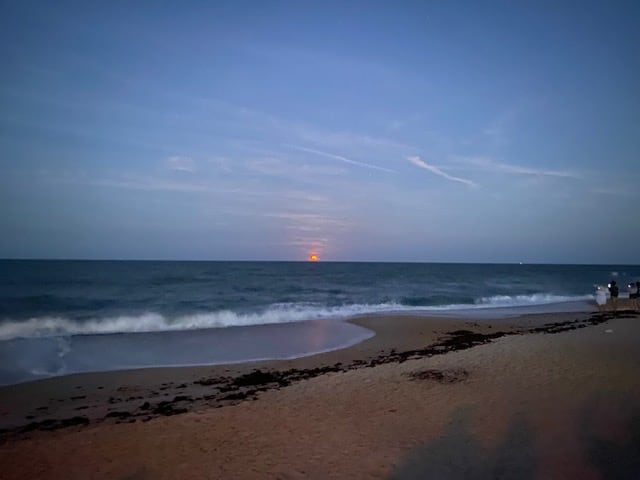
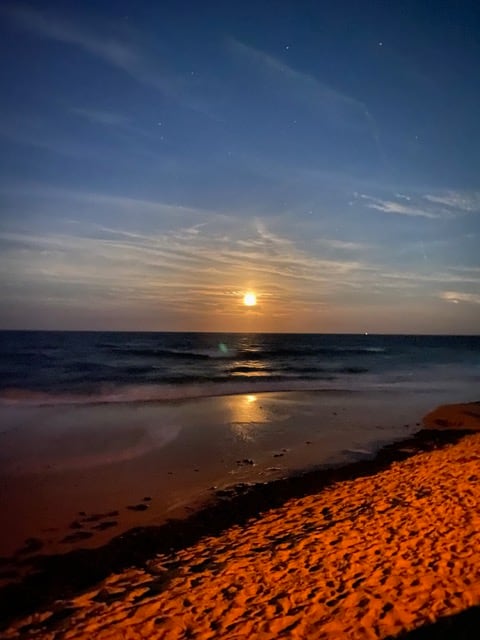
We like to stay on St. Augustine Beach, on Anastasia Island, about 15 minutes by car from the historic downtown. It’s relaxed, the beaches are wide and flat, and there’s plenty to do without ever getting in the car. Because the beach faces east, the evening show is the moon rising over the ocean, and sunrise over the water is worth setting an alarm for.
- The pier: the St. Johns County Ocean Pier is a classic spot for an evening stroll, fishing, and watching surfers, with a playground and splash park nearby for the little ones. A weekly farmers market is held at the pier pavilion; check the current schedule.
- The beach itself: hard-packed sand that’s easier to walk on than many Florida beaches, and gentle days that are perfect for toddlers in the shallows (always check the flags and swim near a lifeguard).
- Anastasia State Park: miles of undeveloped beach and dunes, shady nature trails, and calm water in Salt Run where you can rent kayaks or paddleboards. It’s a beautiful, quieter alternative when the main beach is busy.
- The St. Augustine Lighthouse & Maritime Museum: climb the 219 steps of the striped 1874 lighthouse for one of the best views in the area. The grounds, keepers’ house and museum are great even for family members who skip the climb, and children must meet a height requirement to go up.
- The St. Augustine Alligator Farm Zoological Park: open since 1893 and a huge hit with kids, with every species of crocodilian, wading birds, and boardwalks over the rookery.
- Great food: fresh local shrimp and seafood, Minorcan clam chowder, and anything made with the datil pepper, a sweet-hot pepper that’s a St. Augustine tradition. Beachside restaurants with casual decks are easy with kids.
Day trips into historic St. Augustine, and where to park
From the beach, downtown is an easy drive over the Bridge of Lions. Parking near the historic district fills up, so we use the large public parking garage by the Visitor Information Center and walk or ride from there. We plan one major outing per day, go in the morning before the afternoon heat, and are back at the condo for naps and a swim by mid-afternoon.
Castillo de San Marcos and the cannon firings
If you see only one thing downtown, make it the Castillo de San Marcos. Built by the Spanish between 1672 and 1695 from coquina, a stone made of tiny compressed shells, it’s the oldest masonry fort in the continental United States, and it’s now a National Park Service site. Kids love exploring the rooms around the courtyard and looking out from the walls over Matanzas Bay.
The highlight is the live cannon firing demonstration, when historical reenactors in Spanish colonial uniforms load and fire a cannon from the gun deck. It’s loud, so bring ear protection for babies and anyone sensitive to noise. Demonstrations are usually held on weekends and on some other days, so check the park’s schedule before you go and plan your visit around it.
Tip for grandparents and strollers: the courtyard and lower level are flat, and park rangers can tell you the easiest way up to the gun deck. There’s little shade on the walls, so bring water and hats.
Veterans get in free. As a National Park Service site, the Castillo offers free entrance to U.S. military veterans and Gold Star families. Bring an accepted ID, such as a Veteran Health Identification Card, a Department of Defense ID, or a driver’s license with a veteran designation. Active-duty service members and their families can get a free Military Annual Pass, too.
St. George Street, the Oldest House, the Oldest Schoolhouse and the Old Jail
Just across from the fort, St. George Street is a pedestrian-only street through the old city, lined with shops, cafés, ice cream, historic homes and courtyards. It’s a fun stroll at any age, and there are benches along the way. Nearby are three small stops that kids find fascinating:
- The Oldest Wooden Schoolhouse: a tiny 18th-century schoolhouse on St. George Street, with an animated teacher and student showing what school was like long ago. A quick, fun stop for school-age kids.
- The Oldest House: the González–Alvarez House, a Spanish colonial home with a museum and garden, run by the St. Augustine Historical Society.
- The Old Jail: built in 1891, with costumed guides who play the sheriff and inmates on lively, funny tours. Great for older kids and grandparents alike.
The Bridge of Lions and the harbor


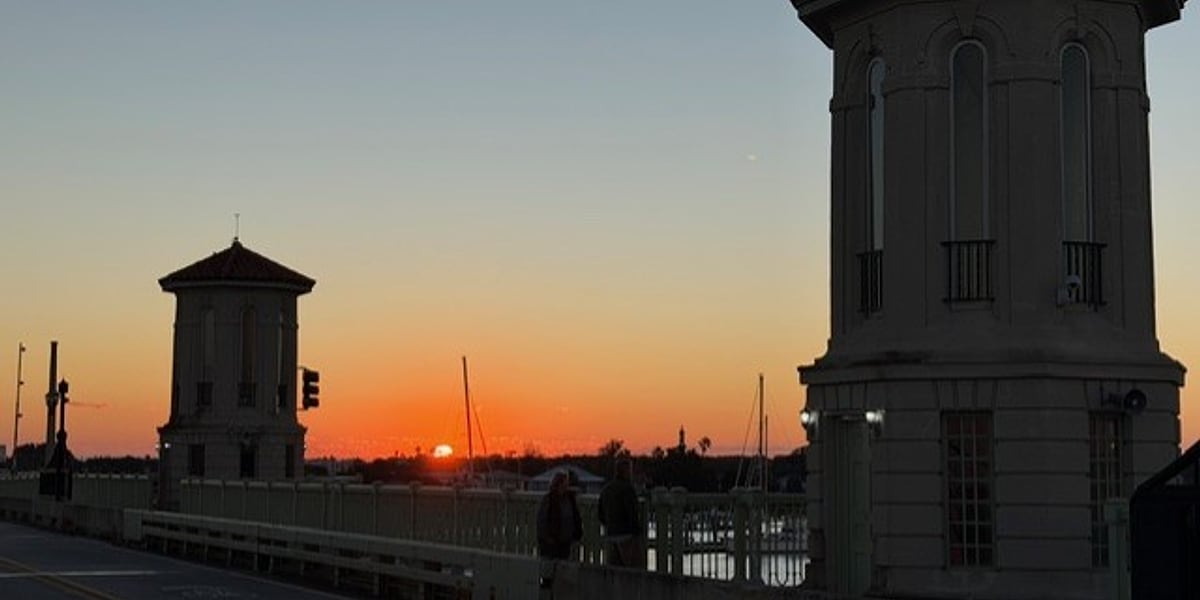
The Bridge of Lions, a Mediterranean Revival drawbridge from 1927, connects downtown to Anastasia Island, and its two marble lions are St. Augustine’s most photographed residents. Walk out on the wide sidewalk at sunset for views of the harbor, the marina and the Castillo. If you’re lucky, you’ll see the drawbridge open for a tall ship.
The bayfront along Avenida Menendez is a pleasant, flat walk with benches and sea breezes, and evenings around the marina are lovely, with boats lit up and the bridge glowing over the water.
Flagler College tours

Flagler College was built as Henry Flagler’s grand Hotel Ponce de Leon, which opened in 1888, and it’s one of the most beautiful buildings in Florida, with a painted rotunda, rich woodwork, and Tiffany stained glass in the dining hall. Guided historic tours led by students run most days and are well worth the time. Even from the courtyard, it’s a sight.
Save your steps: carriage, trolley and train tours

St. Augustine is wonderful on foot, but you don’t have to walk all of it. These are some of our favorite ways to see the city while giving tired legs a break:
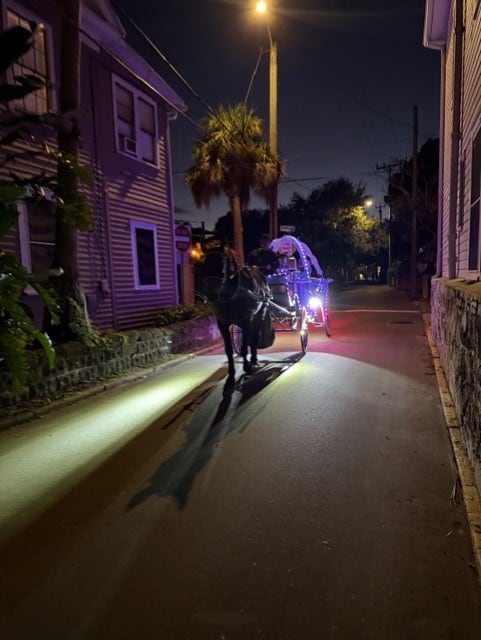
- Horse-drawn carriage rides: leave from the bayfront near the Castillo and clip-clop through the narrow streets while the driver shares stories of the city. An evening ride is magical, especially when the streets are lit up.
- Trolley and sightseeing train tours: hop-on, hop-off tours loop through the historic district with narration and stop near most major sights. A multi-day ticket is a great value and can double as your transportation between attractions, which is ideal for grandparents and anyone pushing a stroller.
The Fountain of Youth
At the Fountain of Youth Archaeological Park, legend says Juan Ponce de León came ashore in 1513, and it’s also the site of the 1565 settlement founded by Pedro Menéndez de Avilés. Sip from the famous spring (it tastes strongly of minerals, which kids think is hilarious), watch a cannon firing and other historical demonstrations, and see the peacocks that roam the shady grounds. It’s spread out but flat, with plenty of places to sit.
A 7-day St. Augustine itinerary for families
- Day 1: Arrive, settle into the condo, stock the kitchen, and catch the moonrise or sunset on the beach.
- Day 2: Morning at the Castillo de San Marcos (time it for a cannon firing), lunch and a stroll on St. George Street, then back for naps and the pool.
- Day 3: Beach day and the pier, with dinner at a casual seafood place.
- Day 4: Trolley or train tour day: the Oldest House, the Oldest Wooden Schoolhouse and the Old Jail.
- Day 5: Anastasia State Park in the morning, the lighthouse in the afternoon.
- Day 6: The Fountain of Youth and the Alligator Farm, then a Flagler College tour, a sunset walk across the Bridge of Lions, and an evening carriage ride.
- Day 7: One last slow morning on the beach before heading home.
Getting to St. Augustine
St. Augustine sits on Florida’s northeast coast, just off I-95. Jacksonville International Airport (JAX) is the closest major airport, about an hour’s drive north, and Daytona Beach’s airport is about an hour south. From Orlando, it’s about an hour and 45 minutes by car, which makes St. Augustine an easy add-on to a Central Florida theme park trip. You’ll want a car (or two, for a big group) to get between the beach and downtown.
The best time to visit St. Augustine with family
- Spring (March to May) and fall (October and November) bring warm days, cooler evenings, and comfortable sightseeing weather. Spring break weeks are busy, so book early.
- Summer (June to August) is peak beach season: hot and humid, with afternoon thunderstorms. Do your sightseeing in the morning and save afternoons for the pool and beach.
- Holidays (late November through January): Nights of Lights covers downtown in more than three million tiny white lights. It’s magical on a carriage ride or trolley tour, and evenings are cool enough for a jacket.
- Hurricane season runs from June through November. It’s one more reason to consider travel insurance and a rental with a flexible cancellation policy.
Tips for visiting St. Augustine with babies and grandparents
- Bring a sturdy stroller. The historic district has brick and uneven sidewalks, so big wheels help.
- Go early and break mid-day. Florida afternoons are hot much of the year, and a midday nap at the condo keeps everyone happy for the evening.
- Pack ear protection for the cannon firings, plus sunscreen, hats and refillable water bottles.
- Keep the most walking-heavy days apart, with a beach day in between.
- Bring or rent beach gear that makes life easier: a beach wagon, a pop-up shade tent and a beach wheelchair for anyone who has trouble walking on sand.
- Ask about military and veteran discounts. Besides free entrance at the Castillo, many St. Augustine attractions, tours and restaurants offer discounts for veterans and active-duty military, so bring your ID and ask before you buy tickets.
- Plan for weather: summer brings afternoon storms, and late fall through spring is cooler and more comfortable for long days of sightseeing.
Quick answers
Is St. Augustine a good vacation for babies and grandparents?
Yes. It combines easy beach days with history that’s close together and mostly flat, and trolley, train and carriage tours cut down on walking. Plan one big outing a day and leave afternoons free for naps and rest.
Should a big family rent a condo or a hotel in St. Augustine?
For several generations, a two- or three-bedroom condo or home usually works best: babies keep their nap schedules in a quiet bedroom, there’s a kitchen and laundry, everyone has room to recover from walking, and it often costs less than several hotel rooms.
How far is St. Augustine Beach from downtown St. Augustine?
About 15 minutes by car, across the Bridge of Lions. The trolley and train tours make getting around the historic district easy once you park.
Do veterans get free admission to the Castillo de San Marcos?
Yes. U.S. military veterans and Gold Star families get free entrance to National Park Service sites, including the Castillo de San Marcos. Bring an accepted ID, such as a Veteran Health Identification Card, a DoD ID, or a driver’s license with a veteran designation.
What is the best time to visit St. Augustine with a family?
Spring (March to May) and fall (October and November) have the most comfortable weather for sightseeing. Summer is best for the beach but hot, with afternoon storms, and from late November through January the Nights of Lights festival fills downtown with more than three million lights.
What is the closest airport to St. Augustine, Florida?
Jacksonville International Airport (JAX), about an hour’s drive north. Daytona Beach International Airport is about an hour south, and Orlando is about an hour and 45 minutes away by car.
When are the cannon firings at the Castillo de San Marcos?
Live cannon firing demonstrations are usually held on weekends and some other days. Schedules change, so check with the National Park Service before your visit, and bring ear protection for little ones.
Let a travel advisor handle the details
A week like this has a lot of pieces: the right condo or home for your group, attraction tickets, tours, dinner reservations, and making sure everything fits the youngest and oldest travelers. That’s exactly what a travel advisor does. We can arrange your whole home or condo rental or a hotel, along with attraction tickets and tours, and build a plan that keeps nap times and rest days in mind.
At Gather Together Vacations, there’s no planning fee. Tell us who’s coming and when, and we’ll do the rest.